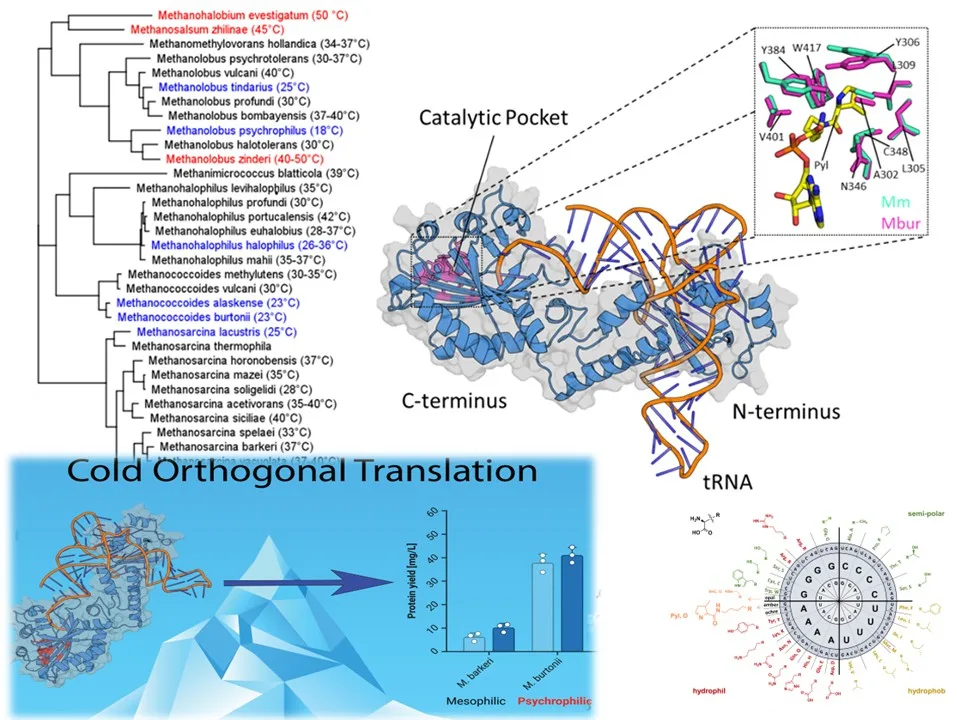
Cold Orthogonal Translation
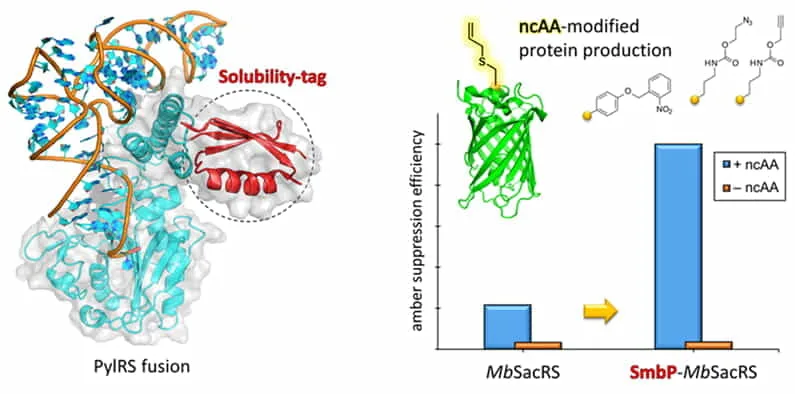
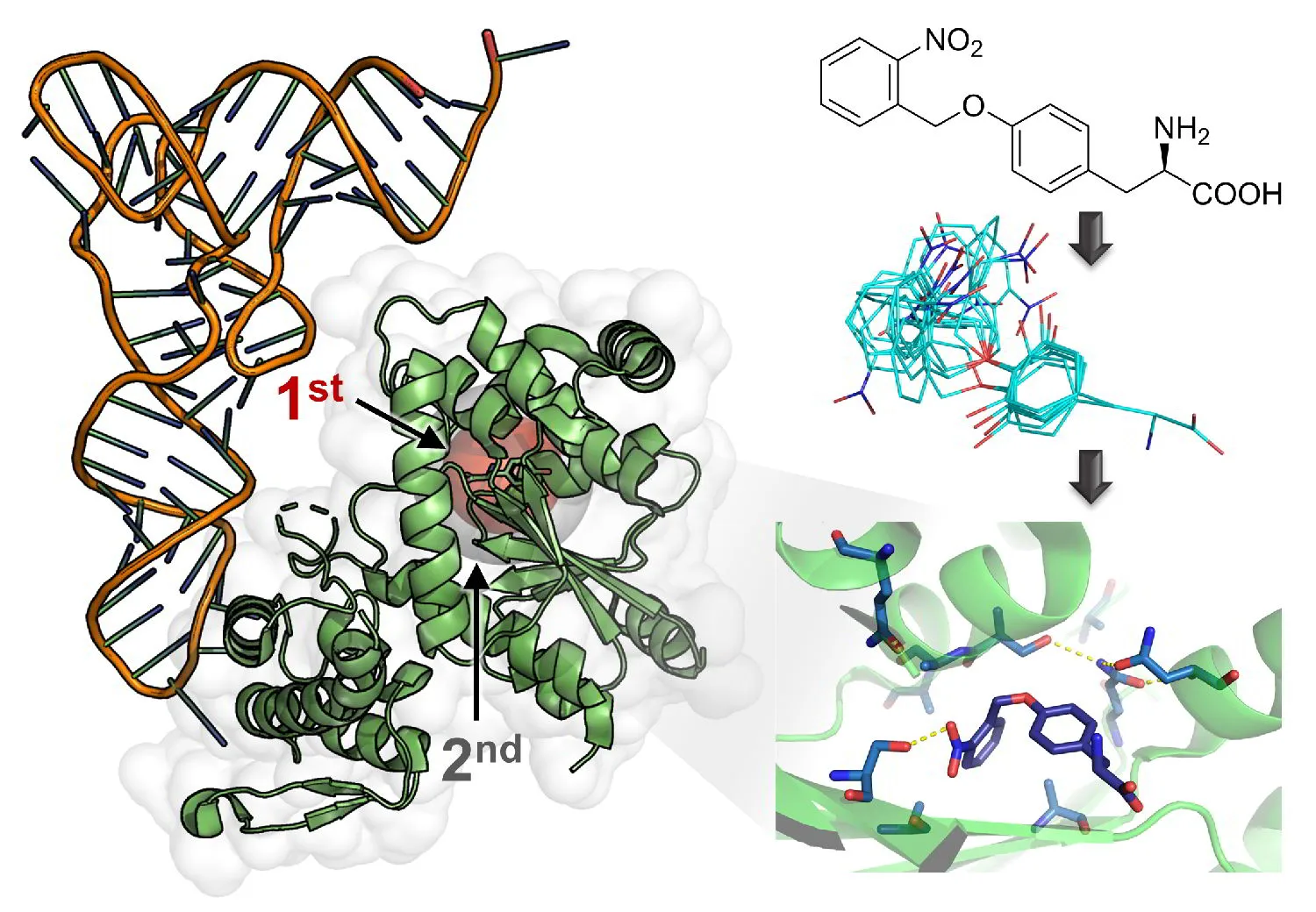
Psychrophilic PylRS-enabled orthogonal translation advances efficient non-canonical amino acid incorporation.
Our Science
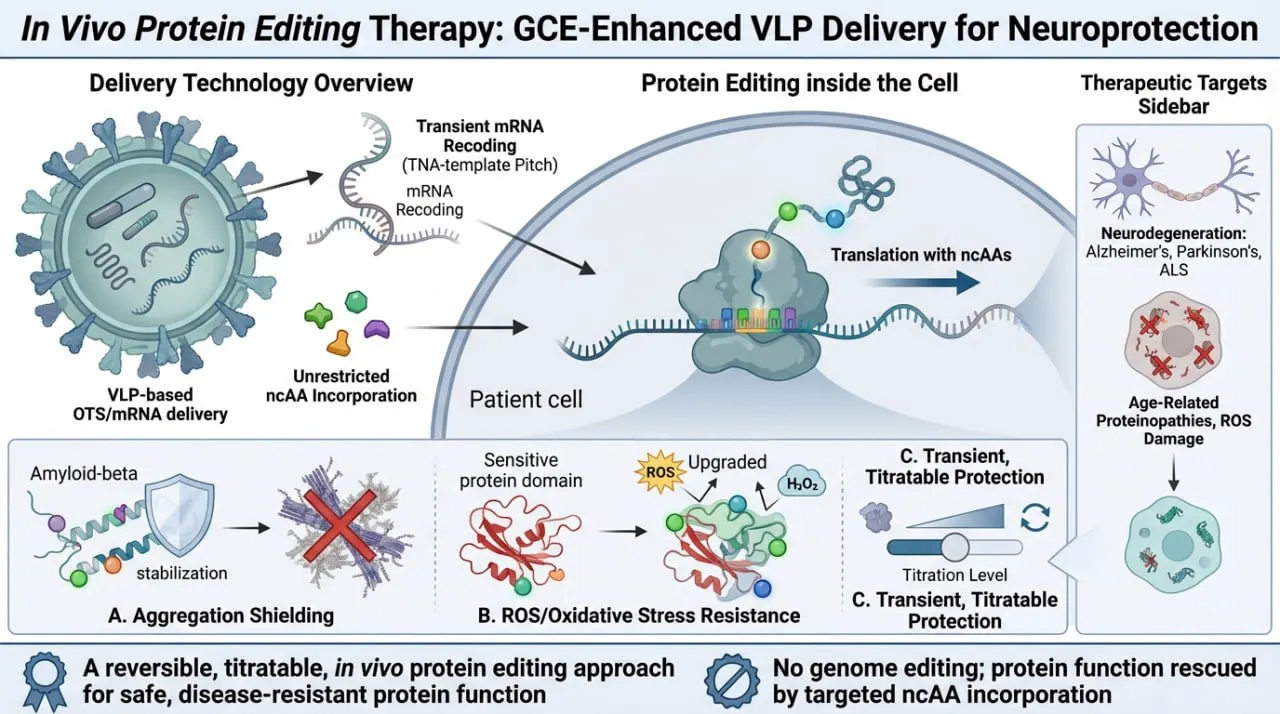
Tiragena engineers proteins using genetic code expansion (GCE) and orthogonal translation: cells incorporate non-canonical amino acids (ncAAs) at defined sites to improve stability, resist aggregation, and tune chemistry—without permanent DNA edits. This enables precise protein editing at the translation stage while avoiding permanent genomic change. We apply that protein engineering platform to neurodegenerative disease biology, where pathogenic proteins misfold, aggregate, or lose function. Delivery is built around transient routes—for example mRNA packaged in lipid nanoparticles or virus-like particles—so therapeutic changes can be dose-adjusted and paused if clinical circumstances change.
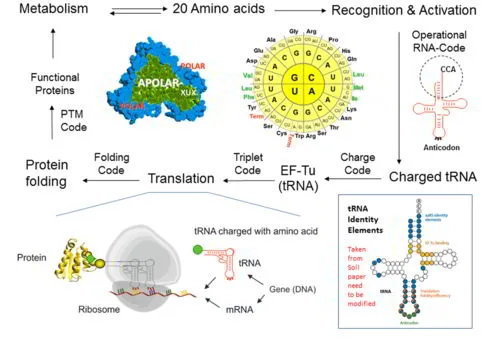
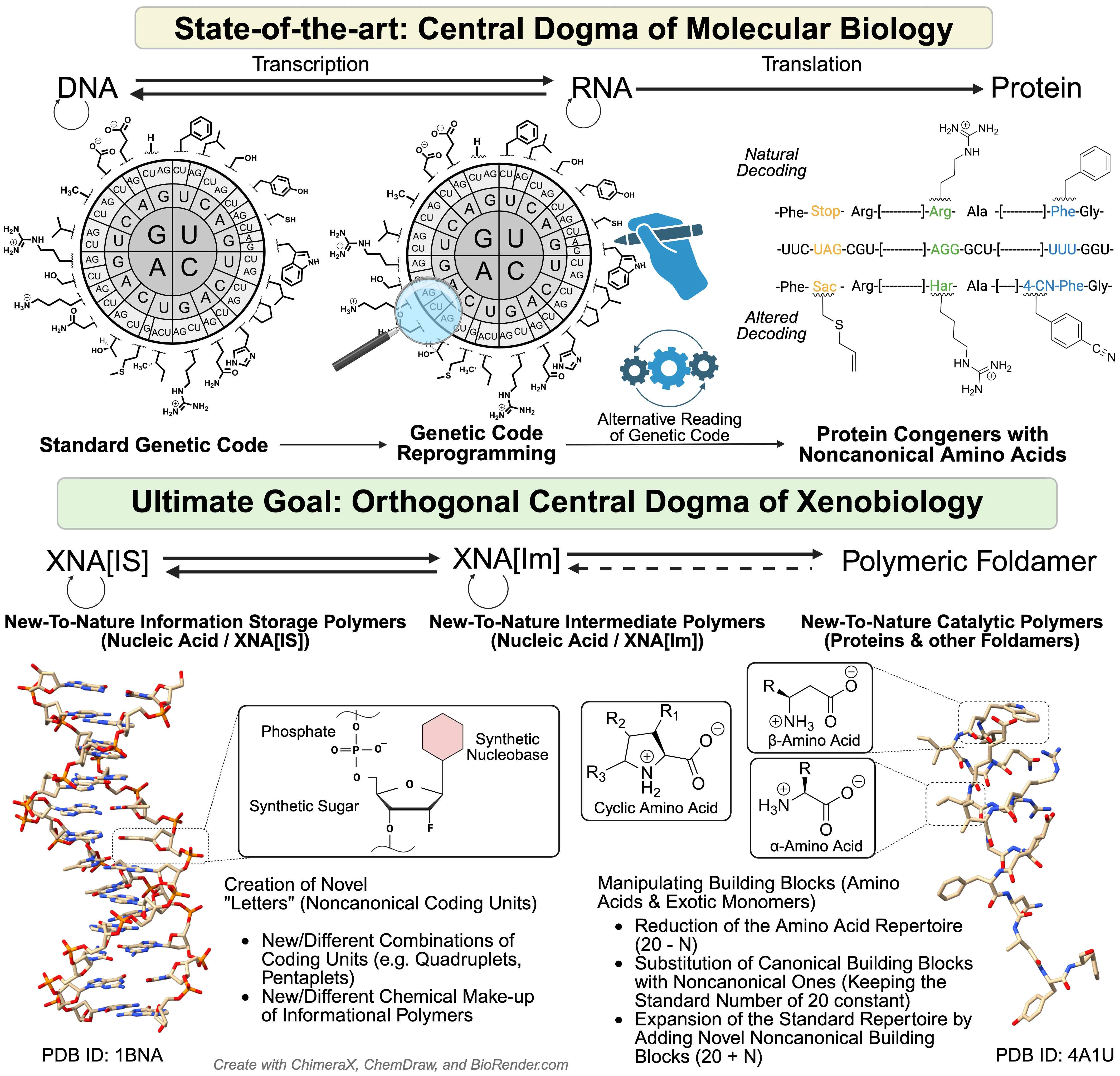
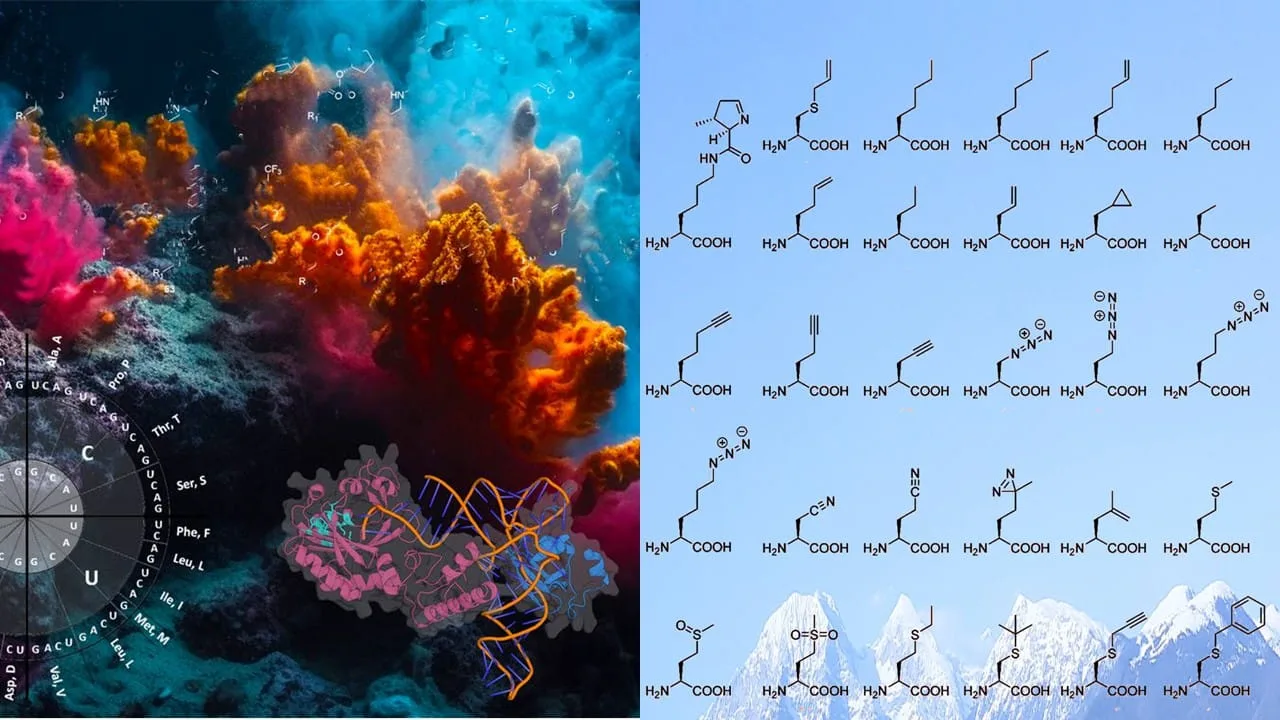
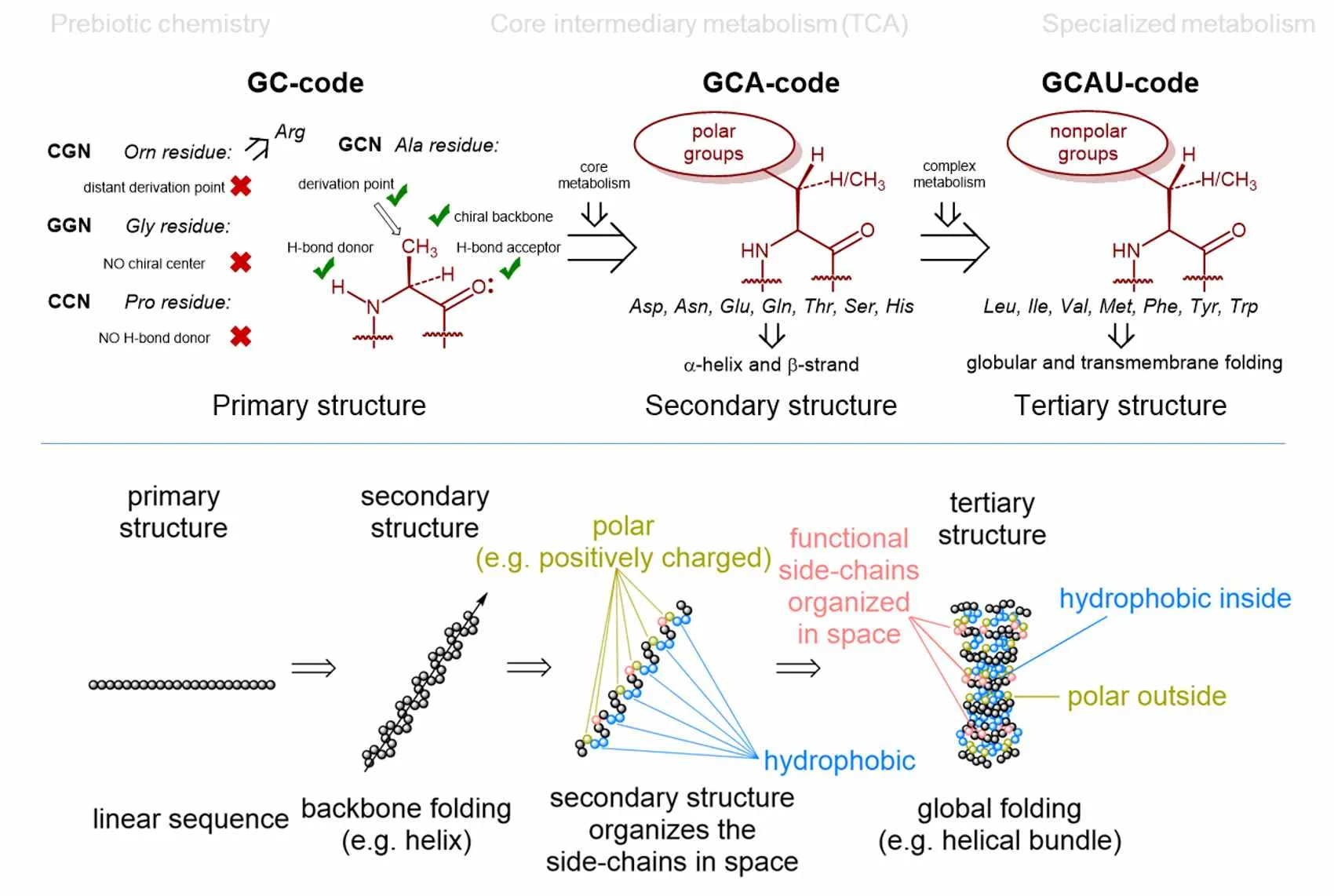
Every protein in the body is built from a constrained amino acid alphabet. Those building blocks have served life for billions of years, but they can be oxidized, aggregate, or fail under stress. Tiragena's orthogonal translation system introduces additional coding capacity, enabling site-specific insertion of non-canonical amino acids designed for oxidation resistance, aggregation control, photostability, and structural integrity.
Our orthogonal translation system introduces additional genetic coding capacity so cells can incorporate non-canonical amino acids (ncAAs) with tailored physicochemistry:
Our engineered VLPs package machinery for in vivo protein modification:
Capabilities: CNS-focused delivery strategies, tissue-specific tropism, high cargo capacity, and established VLP safety paradigms.
Leveraging mRNA delivery approaches with established translational precedent:
Targeting strategies (examples): CNS (ionizable lipids, RVG peptides), liver (ASGPR-targeted envelopes), retina (transferrin receptor targeting), muscle (AAV9-pseudotyped VLP strategies).
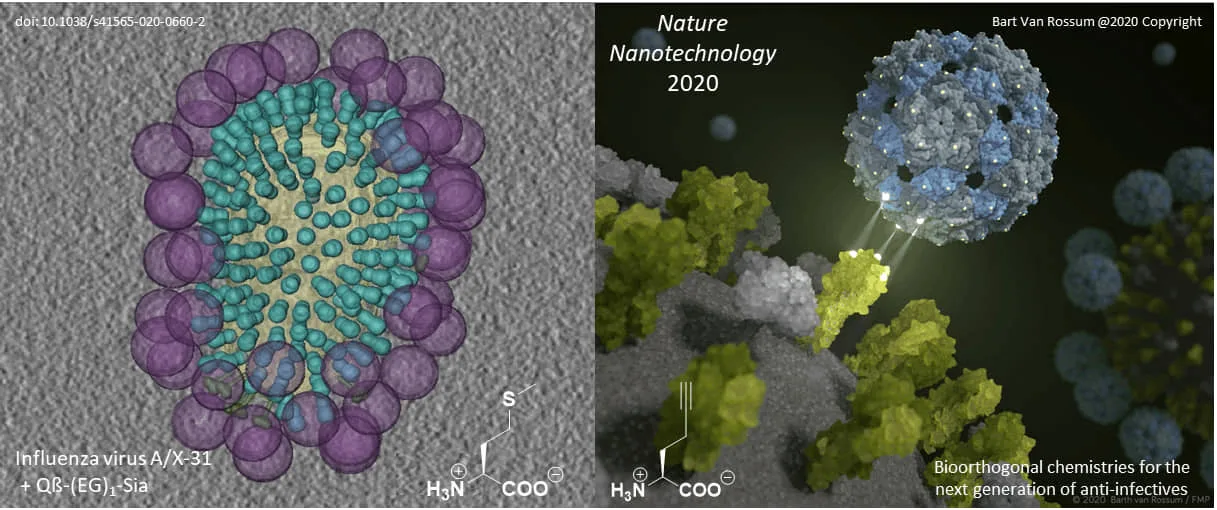
Our delivery stack combines VLP and LNP systems to move payloads into target tissues, including CNS-focused strategies. This includes cargo packaging, fusogenic targeting, and scalable mRNA-compatible workflows for translational deployment.
Proteins such as tau, α-synuclein, and SOD1 can misfold and assemble into toxic aggregates. We place ncAAs at interfaces that drive pathologic assembly—using bulky aromatics to block β-sheet propagation, charged ncAAs to disrupt deleterious interactions, and cross-linking chemistries where appropriate to stabilize native folds.
Reactive oxygen species can nitrate tyrosines, oxidize cysteines, and trigger misfolding. We replace vulnerable residues with oxidation-resistant analogs—including meta-fluorotyrosine chemistry (nitration resistant), selenocysteine analogs for tuned redox handling, and photo-stable tyrosine variants where light exposure matters.
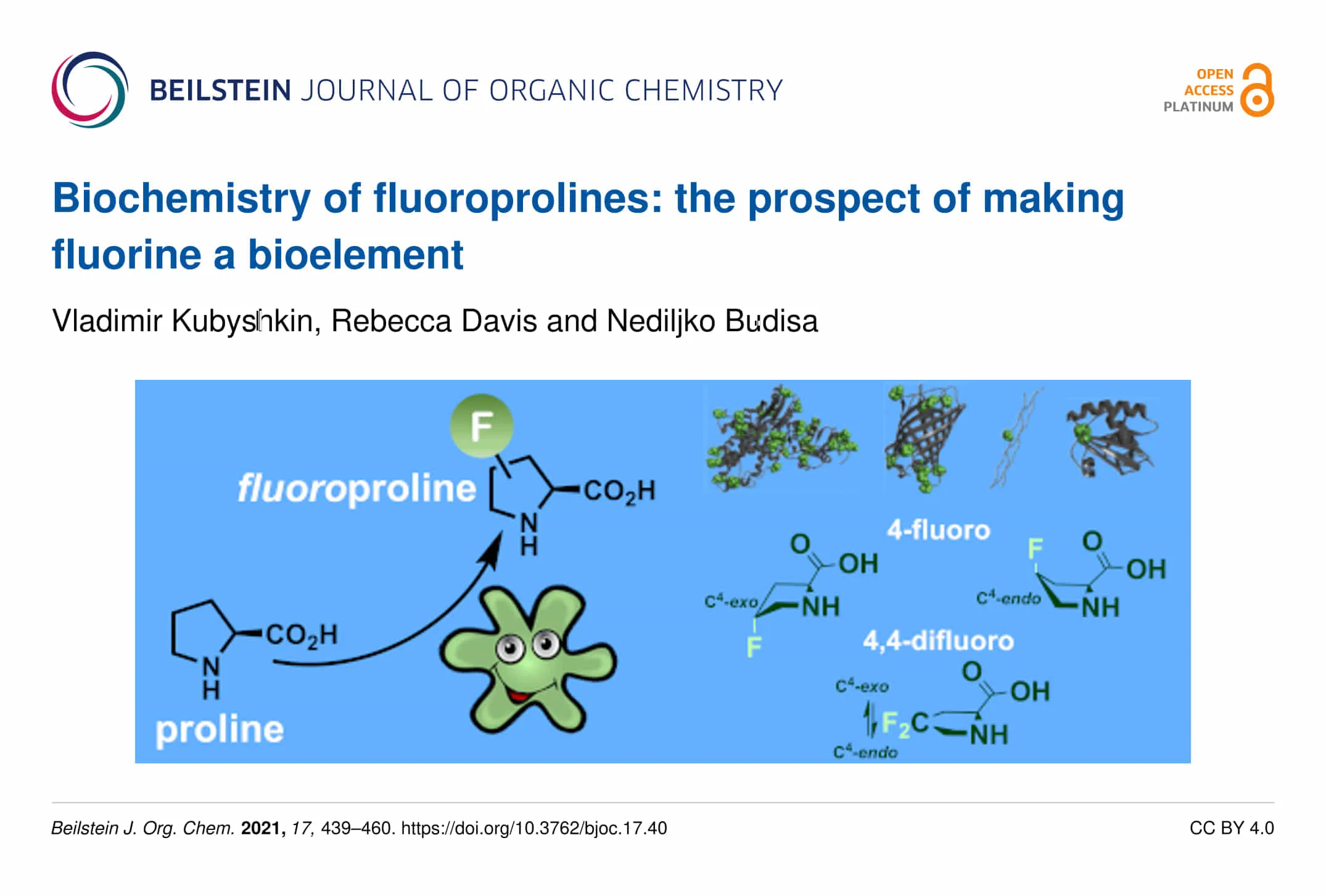
Age-related instability can shift proteins into dysfunctional states. Conformationally rigid or packing-enhancing ncAAs help lock proteins into functional conformations—proline analogs for backbone rigidity, fluorinated amino acids for core packing, and metal-chelating ncAAs to restore active-site integrity where metal binding is lost (for example in destabilized SOD1 variants).
Our protein-level engineering paradigm is designed around transient delivery and reversibility—distinct from permanent DNA modification.
The platform is grounded in decades of research, a large publication record, and an expanding body of translational data supporting protein-level intervention for age-related and neurodegenerative disease biology.
Peer-reviewed highlights from our catalog (newest first). Scroll to the full publications catalog on this page for filters, the Publications / Impact tabs, and complete expandable articles, or open the dedicated publications archive.
Psychrophilic PylRS-enabled orthogonal translation advances efficient non-canonical amino acid incorporation.
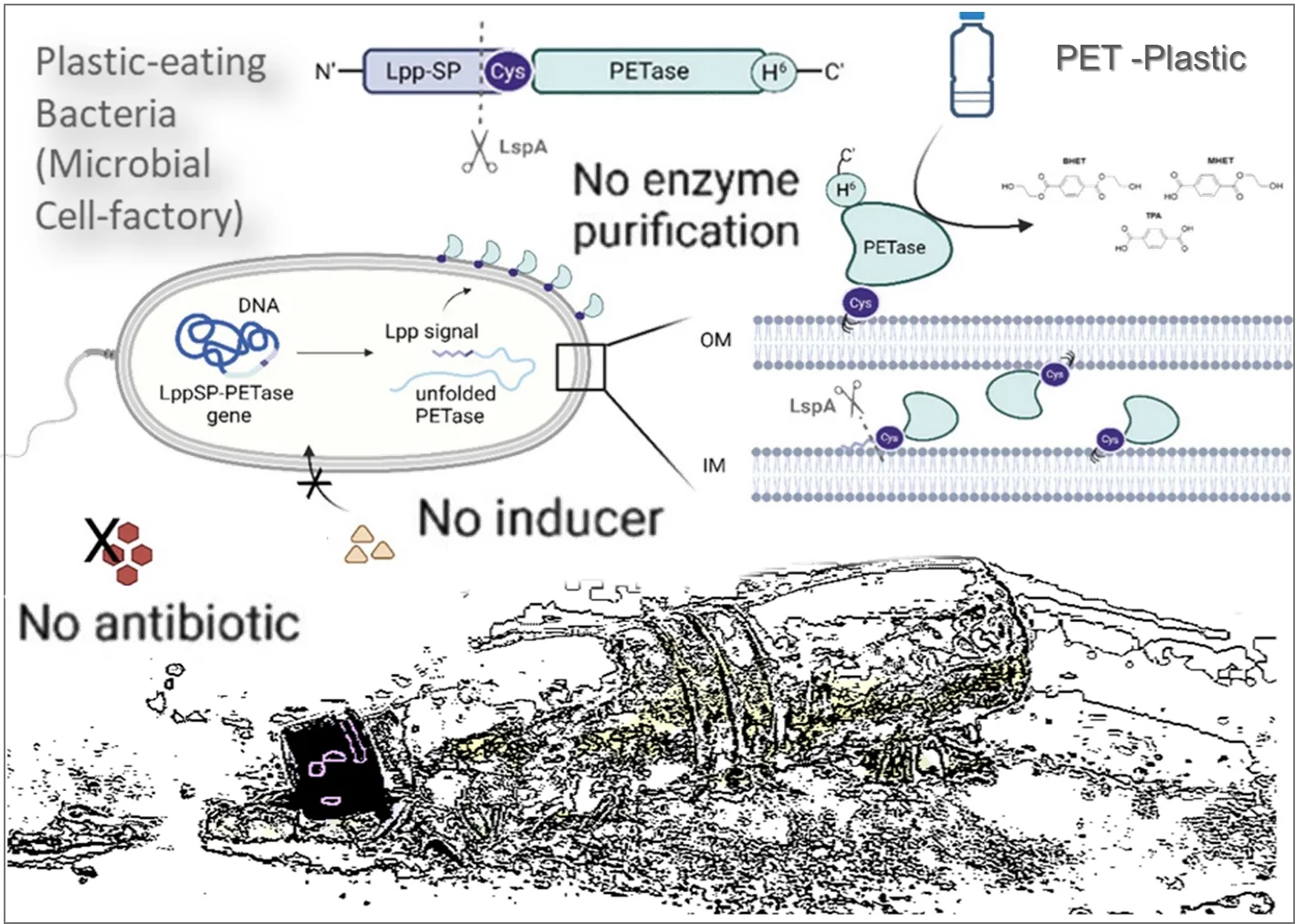
Antibiotic-free whole-cell catalyst architecture for practical plastic hydrolysis workflows.
Foundational analysis of current paradigms, efficiency limits, and future design directions.
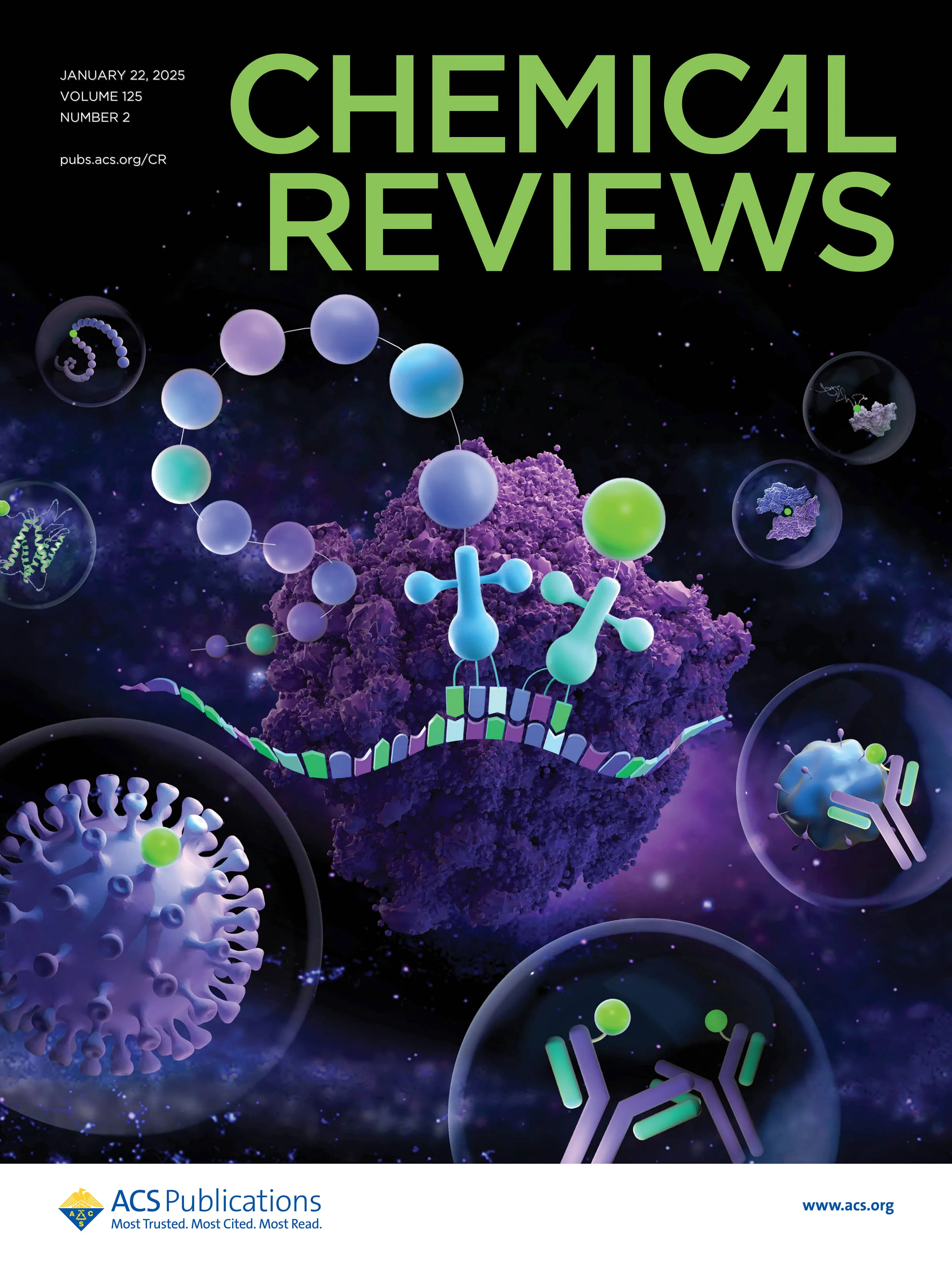
Comprehensive synthesis of expanding amino acid chemistry in modern biotechnology.
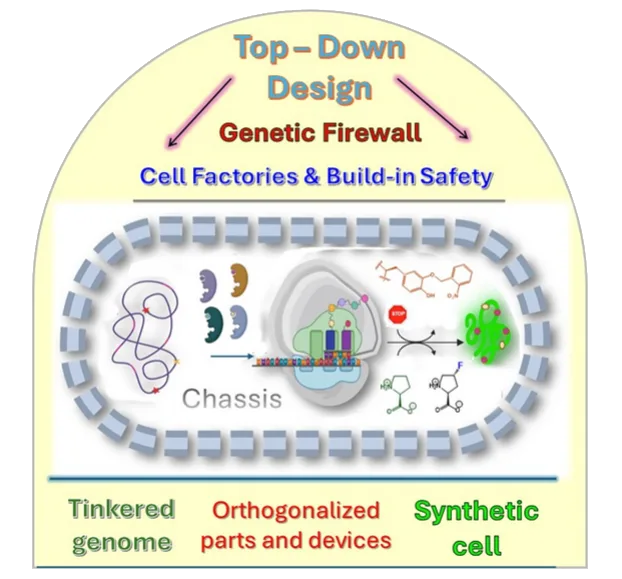
Chromosome-integrated orthogonal systems for safer and more stable synthetic chassis.
Selected scientific publications and research outputs from Tiragena and ChemSynBio-related programs. The catalog is listed newest to oldest by parsed publication date (full calendar dates take precedence over year-only metadata; undated items follow). Filter by period, then use the Publications and Impact view tabs to switch between the full expandable catalog and the data dashboard. The dedicated archive page offers the same catalog in a focused layout.
protein engineering insights on the science blog · protein editing research publications archive · ChemSynBio laboratory research site
Metrics, clusters, and timelines are computed from the publication cards in this catalog (same period filters as Publications view). Items are always ordered newest to oldest by parsed publication date.
Deterministic grouping from each item title (first matching research theme).
Five most recent items in the current filter (by catalog date).
| Year | Count | Titles in this catalog |
|---|
This matrix summarizes themes described in Protein Editing (Protein-Level Intervention) vs. Gene Editing above—contrasting transient protein engineering with permanent genomic modification.
Comparison matrix with three columns: clinical or mechanistic theme; Genetic Code Expansion (transient protein engineering); permanent gene editing.
Genetic Code Expansion (transient protein engineering)
Transient mRNA-based delivery; effect can attenuate as RNA clears
Permanent gene editing
Permanent DNA change; long-lived or lifelong depending on edit and biology
Genetic Code Expansion (transient protein engineering)
Designed to avoid integration; modifies proteins without altering the genome
Permanent gene editing
Alters genomic sequence (intended edit plus potential off-target persistence)
Genetic Code Expansion (transient protein engineering)
Dose-adjustable; can pause or stop treatment
Permanent gene editing
Difficult to reverse; corrective strategies may require additional engineering
Genetic Code Expansion (transient protein engineering)
Avoids nuclease-associated DNA cutting; context gating can be built at the RNA/protein level
Permanent gene editing
Nuclease off-target DNA edits are a core safety consideration
Short commentary and lab notes support the science narrative here—kept separate from the peer-reviewed publications catalog and the full archive page.
Lab perspective on how flexible psychrophilic scaffolds improve translation performance.
Design rationale for genome-integrated plastic degradation systems in controlled bioreactors.
A translational view on efficiency constraints and architecture-level redesign opportunities.
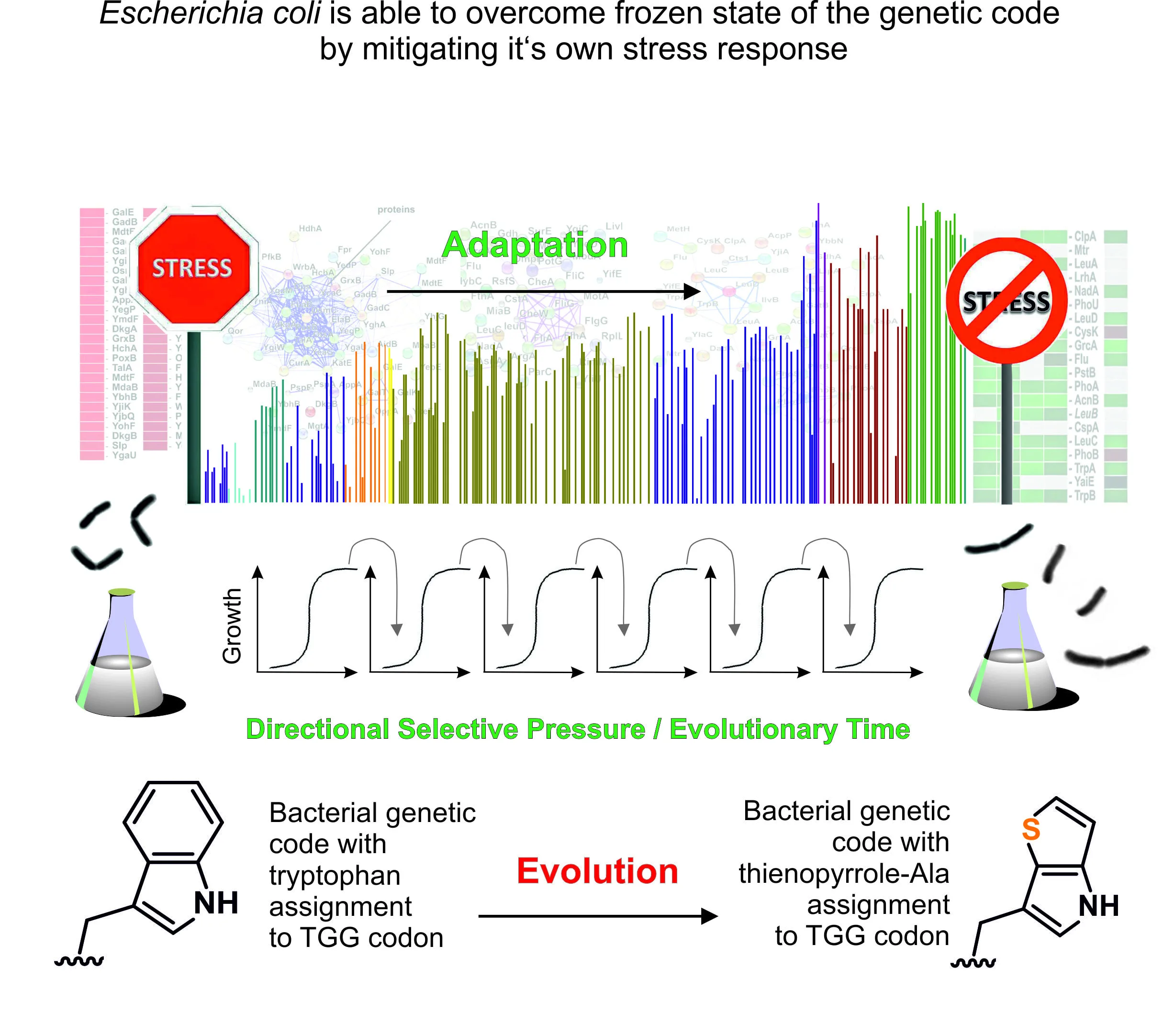
Experimental evolution insights from adaptive responses in altered translational chemistry.
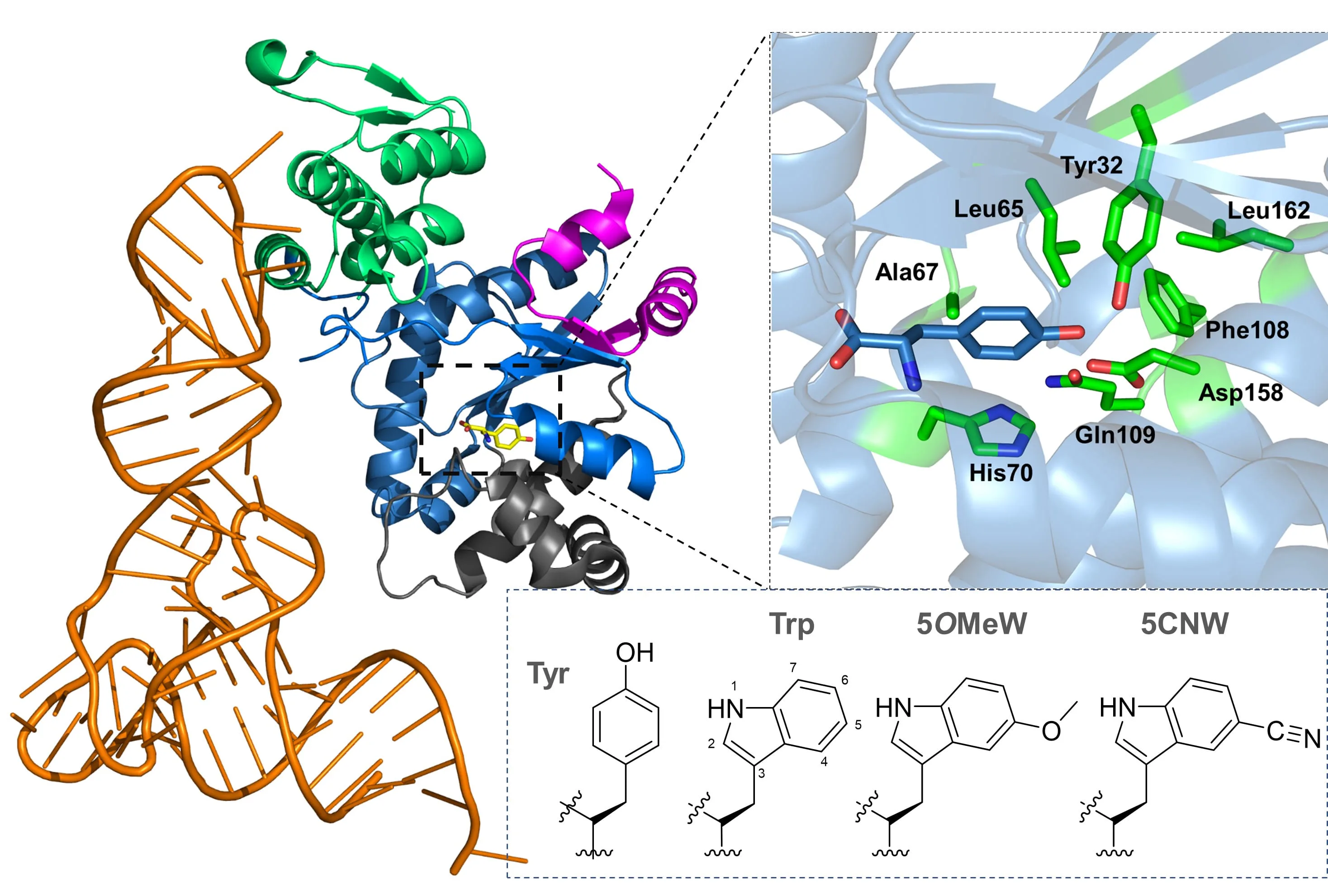
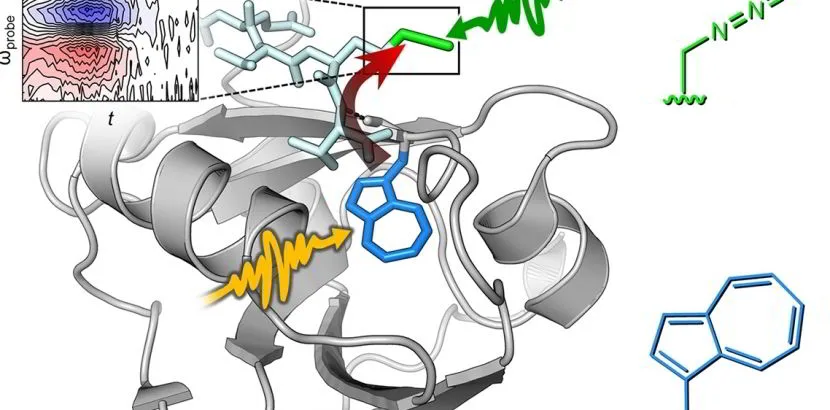
Applications of noncanonical probes for local electrostatics and protein energy mapping.
Explore the broader ChemSynBio laboratory research archive and related scientific outputs.
 For more information, see the