

2026
04.16.2026
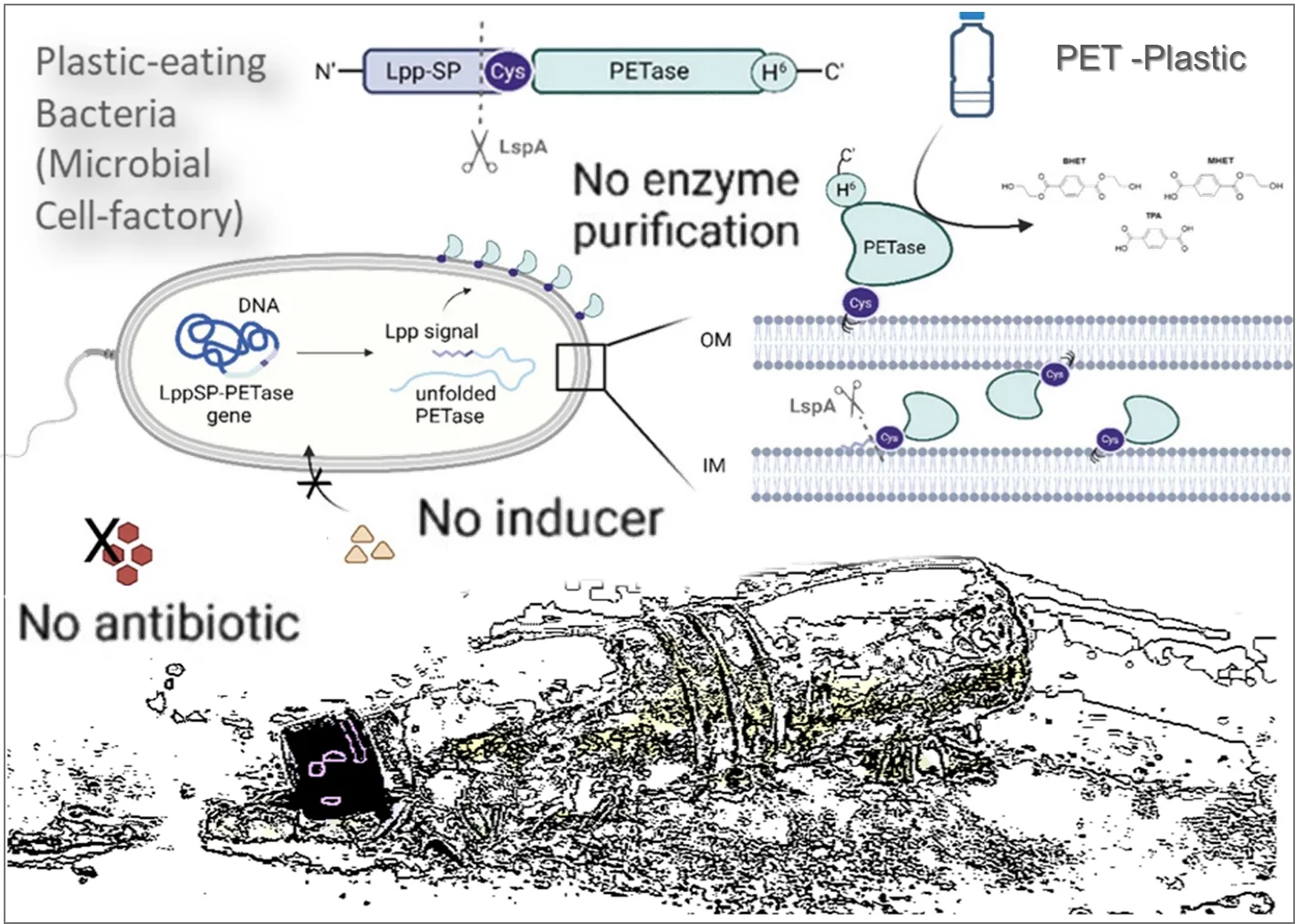
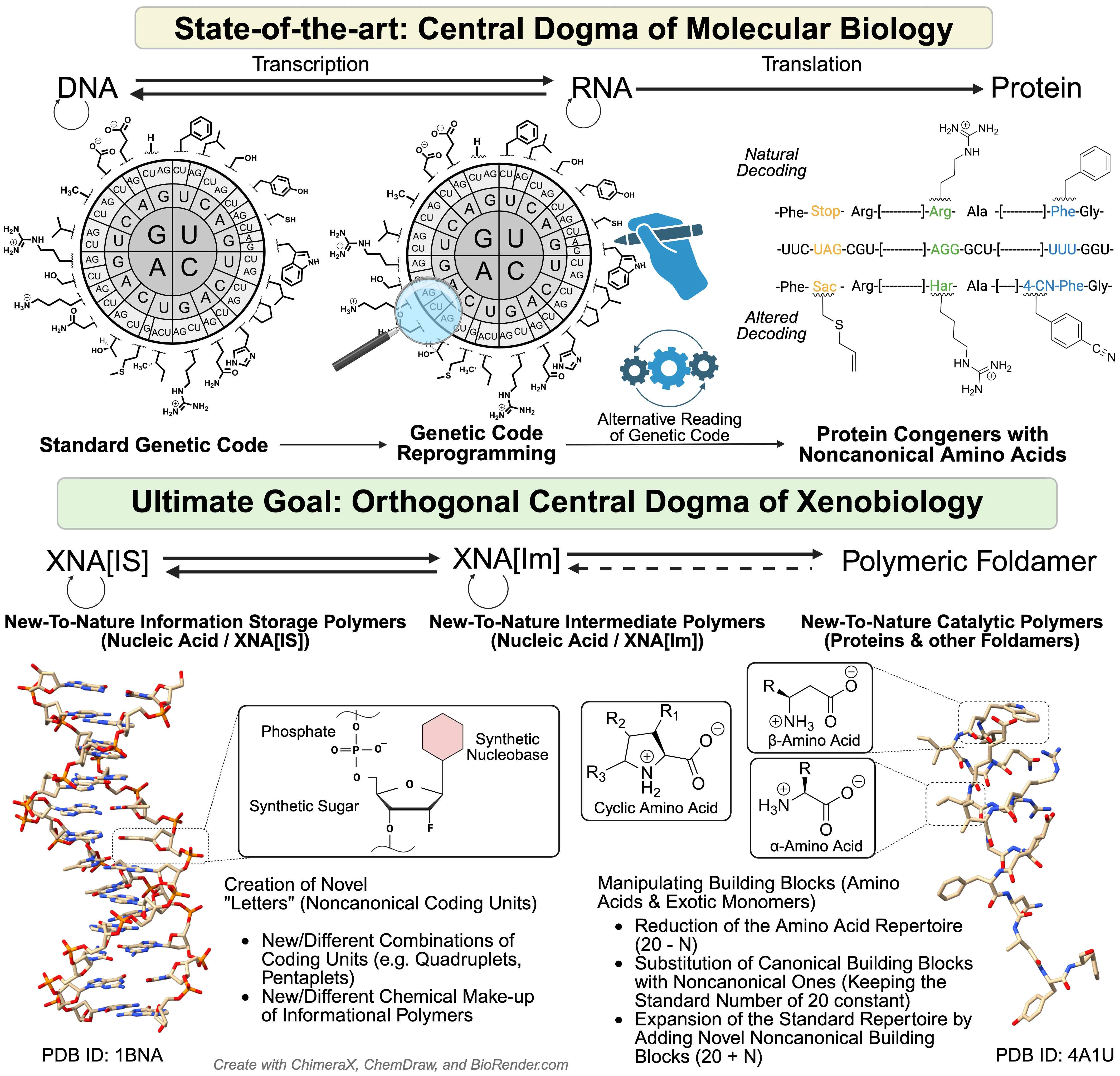
protein editing and genetic code expansion technology overview · Related work: whole-cell PET bioremediation biocatalysts · supporting protein engineering commentary
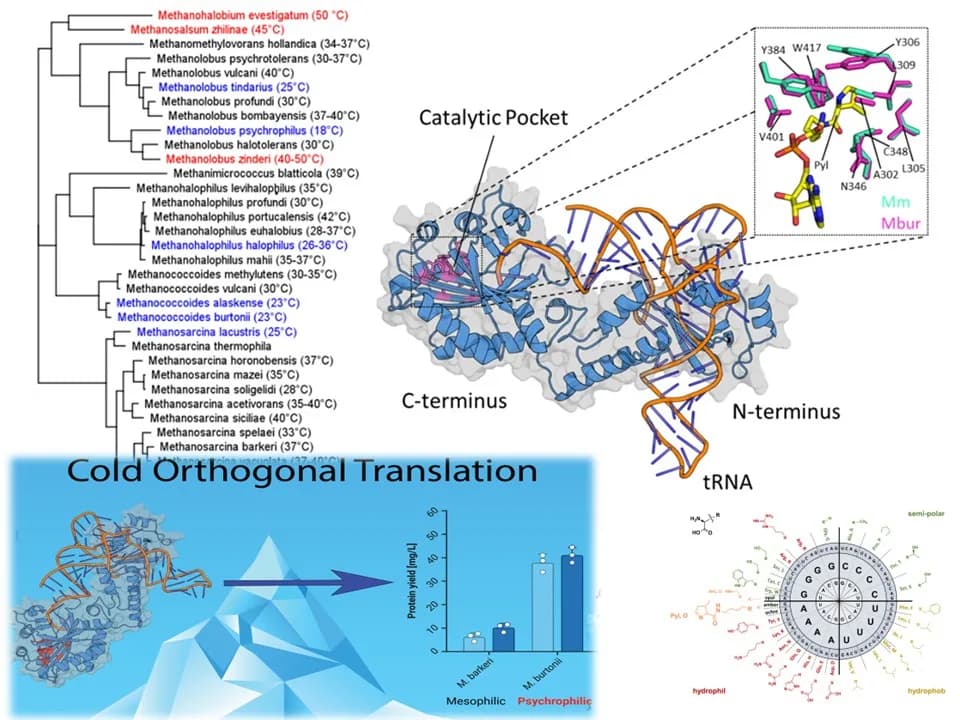
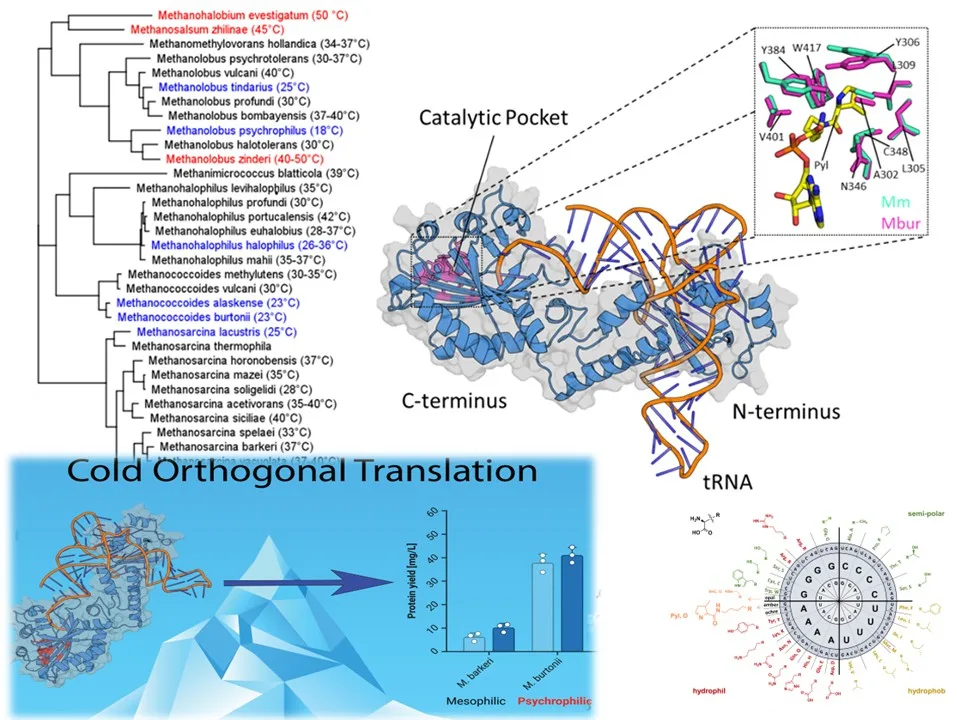
Cold Orthogonal Translation: Psychrophilic PylRS Enables Efficient Genetic Code Expansion.
We found that a cold-adapted enzyme can outperform standard systems used to expand the genetic code. Instead of the usual strategy of using highly stable enzymes, this approach relies on a more flexible, “cold-active” protein, which proves more efficient. As a result, proteins can be engineered more effectively - even at low temperatures and with minimal amounts of added components.
Related Article
Koch, N.G.; Goettig, P.; Nash, M.A.; Rappsilber, J.; & Budisa, N. (2026) Related Article: Cold Orthogonal Translation: A Psychrophilic Pyrrolysyl-tRNA Synthetase Boosts Genetic Code Expansion in E. coli Advanced Science: e13600. (doi: 10.1002/advs.202513600)
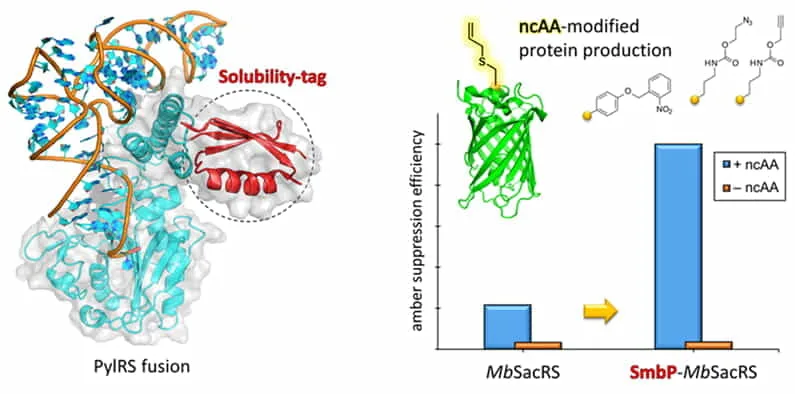
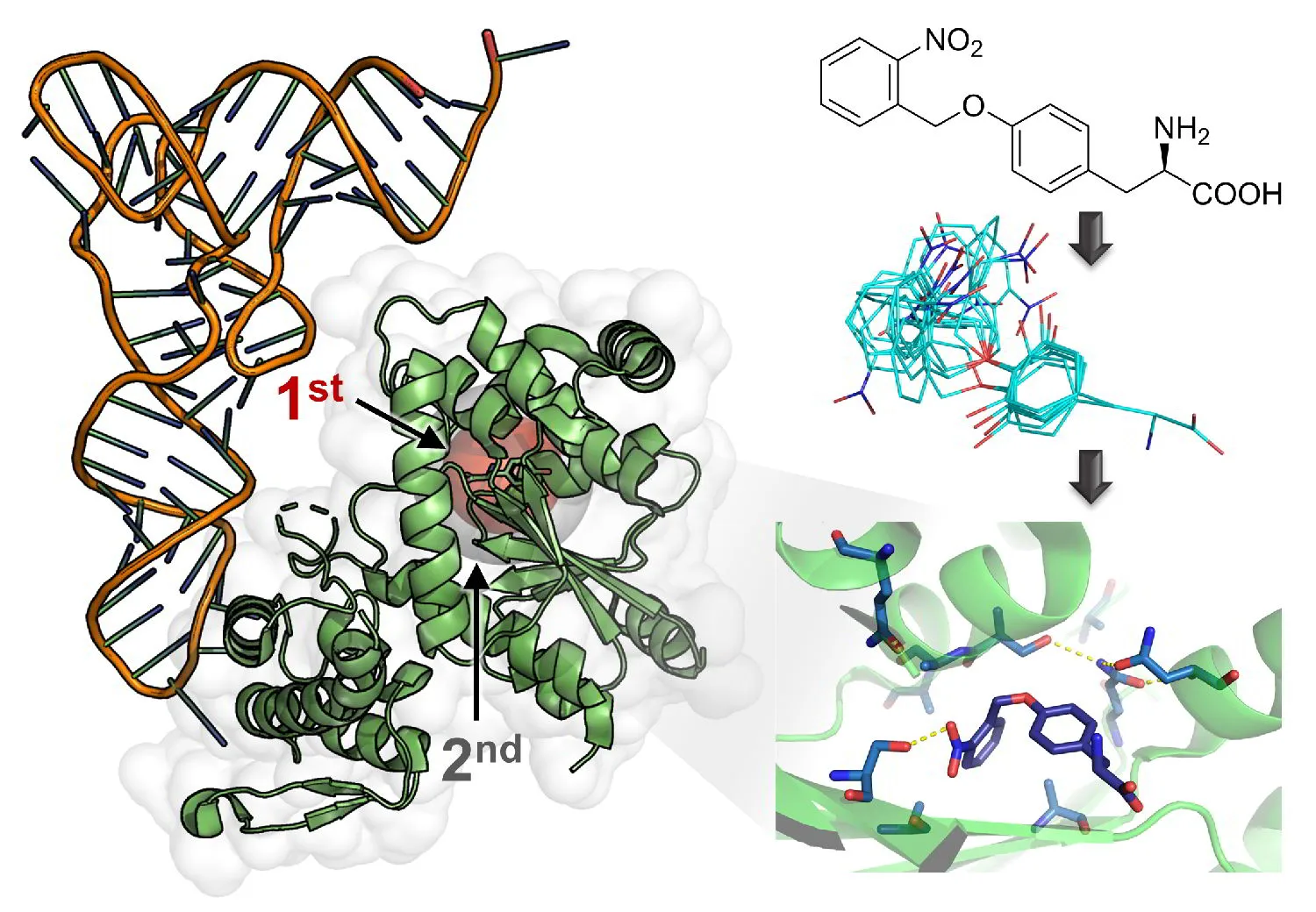
We report a new design principle for genetic code expansion based on psychrophilic enzyme scaffolds. In our recent work, we identified a cold-adapted pyrrolysyl-tRNA synthetase (PylRS) from Methanococcoides burtonii that establishes a highly efficient orthogonal translation system (“Cold-OTS”) in E. coli.
Unlike conventional approaches relying on hyperstable (thermophilic) enzymes, this system exploits intrinsic conformational flexibility to enhance catalytic performance. The Cold-OTS consistently outperforms established PylRS variants in both single- and multi-site incorporation of non-canonical amino acids (ncAAs), particularly under limiting substrate concentrations and reduced cultivation temperatures.
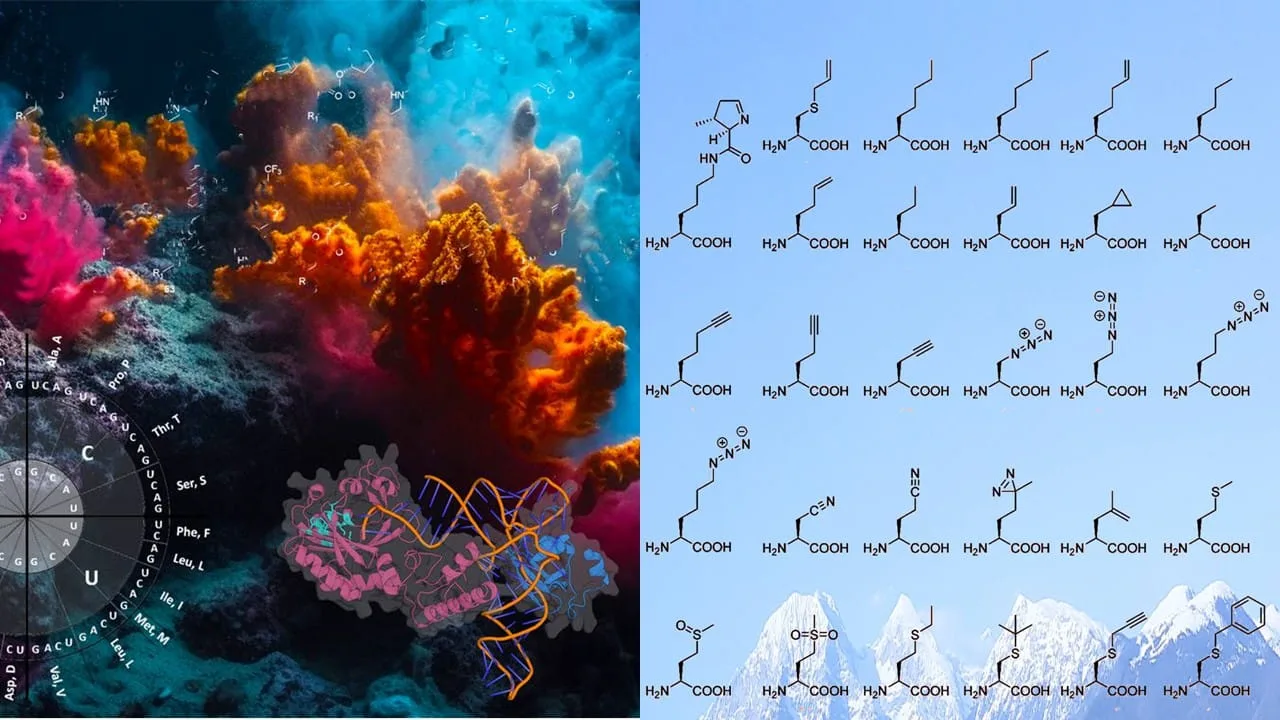
Notably, the system maintains high efficiency even at low ncAA concentrations and shows improved performance at 18 °C, despite globally reduced protein synthesis rates. In addition, the psychrophilic scaffold exhibits increased substrate promiscuity and mutational tolerance, enabling incorporation of a broader range of ncAAs.
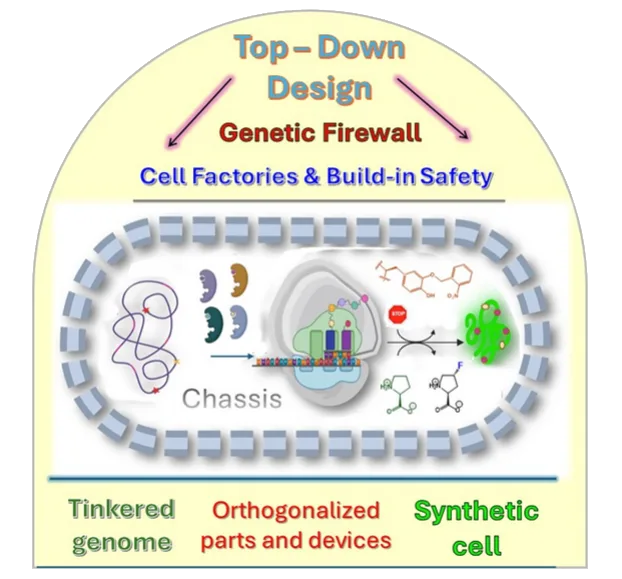
These findings position psychrophilic aaRS variants as a high variance but powerful reservoir for orthogonal translation systems. The Cold-OTS provides a scalable route for efficient production of modified proteins and expands the toolbox for genetic code expansion and synthetic biology.
 For more information, see the